|
Hypospadias & Epispadias |
||
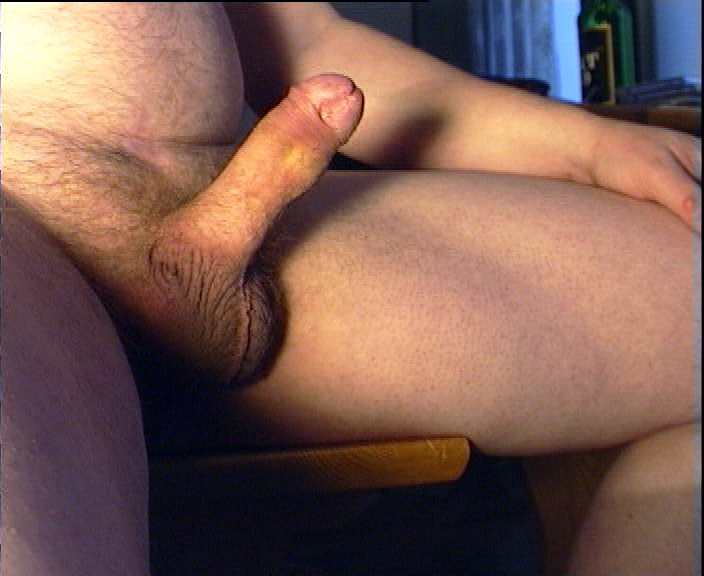
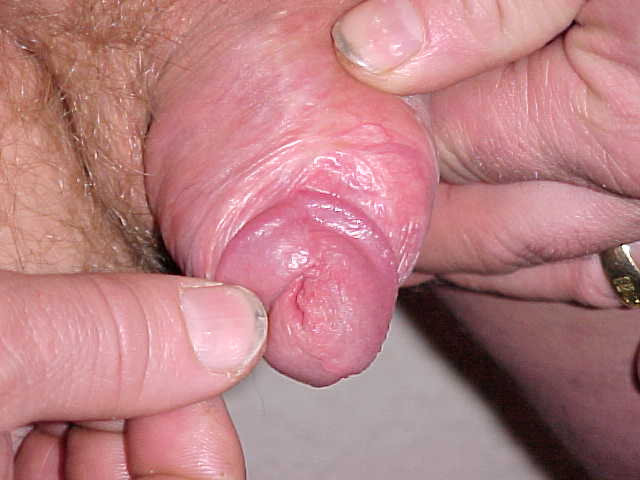
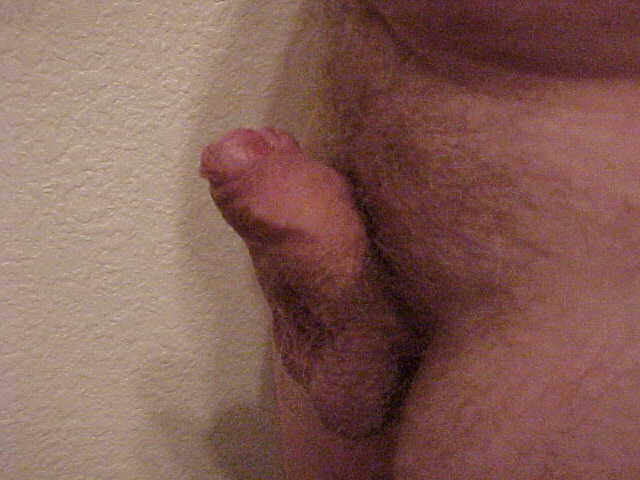
Why Your Penis Looks DifferentHypospadias is a developmental anomaly of the penis which can involve several variations on the norm. In essence the condition results from the urethral meatus not opening on the tip of the penis, but lower down the underside of the penis glans or shaft. The opening may be a slit or a hole. Associated variations of structure include:
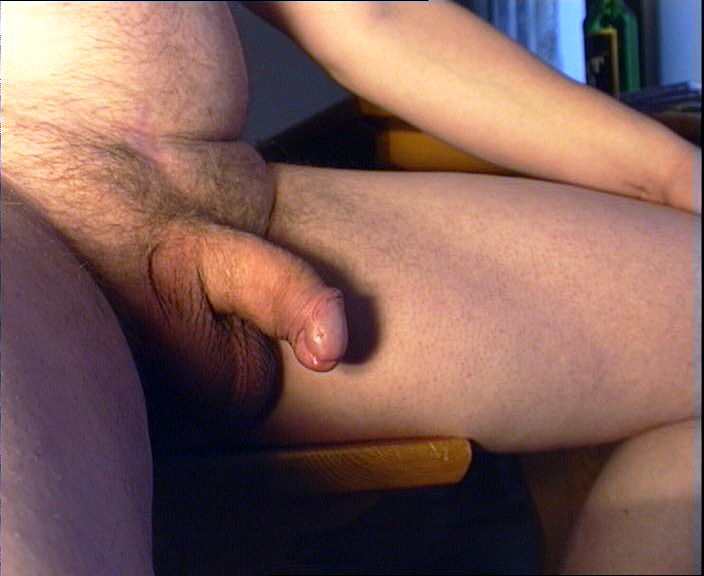
More information on hypospadias, with details of support groups, can be found here. There are many more hypospadias photos here: Hypospadias Pictures Urethral opening on glans
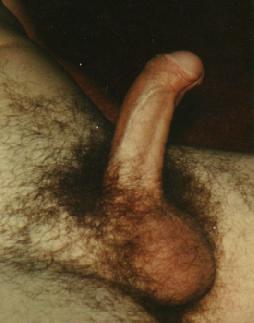
Twist in shaft with chordee
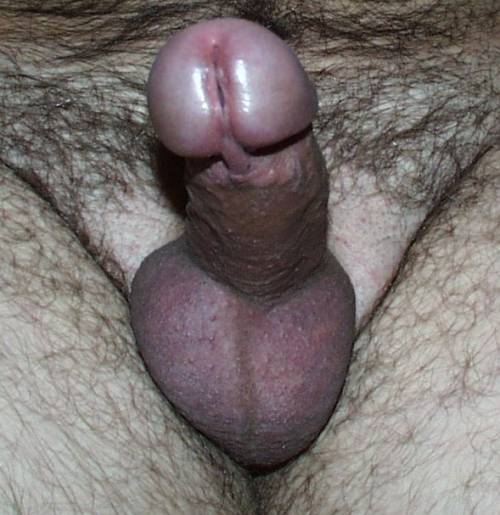
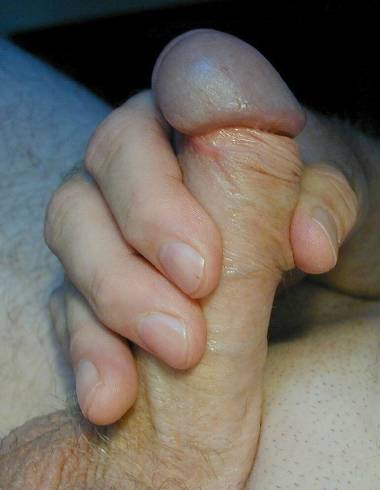
Variation on the normal urethral meatus
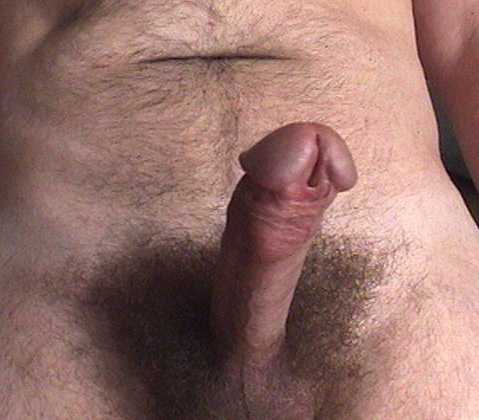
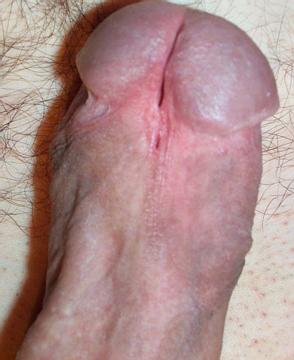
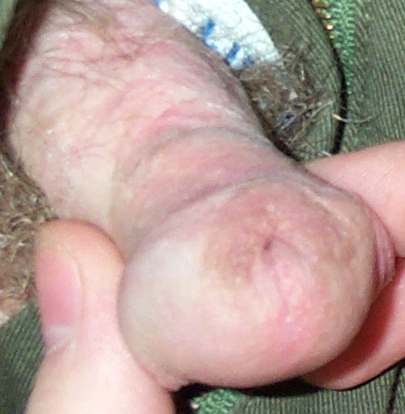
Classic coronal hypospadias showing chordee, hooded foreskin and a slit-like urethral opening
Mid-shaft hypospadias surgically corrected
Mild hypospadias with curvature of shaft
Elongated urethral meatus
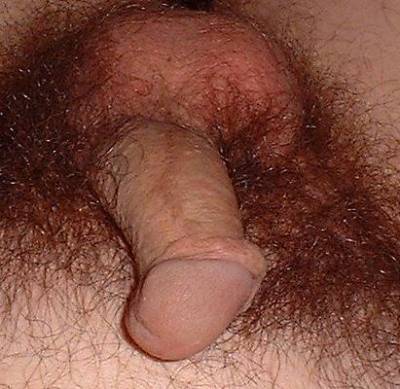
Flattened glans
EpispadiasThis is a congenital condition where a baby is born with the opening of the penis located anywhere on the top (dorsal) surface of the penis between the glans and the base, or even behind the penis on the perineum (that's between the anus and testicles). With epispadias, the penis is usually not completely formed, and the shaft is curved upwards. If the urinary opening is close to the body, reconstructive surgery is advised soon after birth because the bladder may be involved - see bladder exstrophy - and the child may have complete urinary incontinence. It is quite rare - about 1 in 30,000 or so male births. A pediatric urologist should be consulted in any case of epispadias. Read more about his here.
|
|
|